<h2 class="wp-block-heading">Introduction: A Bargain That Aged Badly</h2>
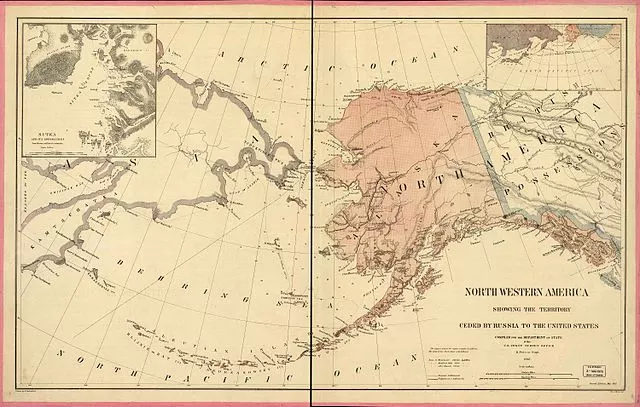
<p>$7.2 million. That’s all it took for the United States to acquire Alaska in 1867—roughly two cents per acre. At the time, critics mocked the deal as “Seward’s Folly,” assuming the U.S. had overpaid for a frozen wasteland.</p>
<p>History flipped that narrative completely.</p>
<p>What looked like American foolishness became one of the most lopsided land deals ever made. More importantly, it turned into a long-term strategic headache for Russia—especially for the USSR, which later found itself staring across a narrow stretch of water at its biggest adversary.</p>
<h2 class="wp-block-heading">The British Factor: Fear Over Profit</h2>
<h3 class="wp-block-heading">Why Did Russia Sell Alaska?</h3>
<p>The <strong>Alaska Purchase of 1867</strong> wasn’t about profit—it was about fear.</p>
<p>Russia’s leadership knew it had a problem:</p>
<ul class="wp-block-list">
<li>Alaska was <strong>remote and difficult to defend</strong></li>
<li>The <strong>British Empire controlled Canada</strong>, right next door</li>
<li>Another war like the Crimean War could mean losing Alaska <strong>for free</strong></li>
</ul>
<p>So the Russian Empire made a calculated move:</p>
<h3 class="wp-block-heading">Sell Before You Lose</h3>
<p>Instead of risking a British seizure, Russia chose to sell Alaska to the United States—a country it saw as a useful counterweight to British power.</p>
<p>This created a <strong>buffer zone strategy</strong>:</p>
<ul class="wp-block-list">
<li>Keep Alaska out of British hands</li>
<li>Strengthen ties with the U.S.</li>
<li>Avoid military overextension</li>
</ul>
<p>Short-term logic? Solid.<br>Long-term consequences? Brutal.</p>
<h2 class="wp-block-heading">The USSR “Reclaim” Angle: Myth vs Reality</h2>
<h3 class="wp-block-heading">The 99-Year Lease Myth</h3>
<p>A persistent rumor claims Alaska was only leased to the U.S. for 99 years and should have reverted to Russia (or the USSR).</p>
<p>That’s simply not true.</p>
<ul class="wp-block-list">
<li>The deal was a <strong>permanent sale</strong>, ratified by treaty</li>
<li>There is <strong>no legal basis</strong> for a return claim</li>
<li>The myth gained traction during the Cold War as propaganda and speculation</li>
</ul>
<h3 class="wp-block-heading">Stalin’s Silent Regret?</h3>
<p>There’s no official record of <strong>Joseph Stalin</strong> attempting to reclaim Alaska, but strategically, the loss became obvious:</p>
<ul class="wp-block-list">
<li>The USSR had <strong>zero foothold in North America</strong></li>
<li>The U.S. gained a <strong>massive Arctic advantage</strong></li>
<li>Soviet military planners had to treat Alaska as a <strong>forward U.S. outpost</strong></li>
</ul>
<p>So while there was no formal “claim,” the regret was embedded in Cold War strategy.</p>
<h2 class="wp-block-heading">The Resource Loss: A Fortune Left Behind</h2>
<p>What Russia gave up wasn’t just land—it was one of the most resource-rich regions on Earth.</p>
<h3 class="wp-block-heading">Estimated Losses in Modern Terms:</h3>
<ul class="wp-block-list">
<li><strong>Gold</strong>
<ul class="wp-block-list">
<li>Klondike and Alaskan gold rushes produced billions in value</li>
<li>Estimated modern equivalent: <strong>$100+ billion</strong></li>
</ul>
</li>
<li><strong>Oil (Prudhoe Bay)</strong>
<ul class="wp-block-list">
<li>One of the largest oil fields in North America</li>
<li>Peak production transformed U.S. energy security</li>
<li>Estimated value: <strong>trillions of dollars</strong></li>
</ul>
</li>
<li><strong>Fisheries</strong>
<ul class="wp-block-list">
<li>Alaska hosts some of the world’s richest fishing waters</li>
<li>Annual industry value: <strong>billions per year</strong></li>
</ul>
</li>
<li><strong>Natural Gas & Minerals</strong>
<ul class="wp-block-list">
<li>Untapped reserves continue to add strategic value</li>
</ul>
</li>
</ul>
<h3 class="wp-block-heading">Bottom Line:</h3>
<p>Russia sold Alaska for $7.2 million…<br>and lost access to <strong>trillions in long-term resources</strong>.</p>
<h2 class="wp-block-heading">Geopolitical Doorstep: 55 Miles That Changed Everything</h2>
<p>At its closest point, Russia and Alaska are separated by just <strong>55 miles</strong> across the Bering Strait.<br>That distance became critically important during the Cold War.</p>
<h3 class="wp-block-heading">A Strategic Nightmare for the USSR</h3>
<p>What Russia once saw as a buffer turned into a frontline:</p>
<ul class="wp-block-list">
<li>The U.S. established early warning systems like the <strong>DEW Line (Distant Early Warning Line)</strong></li>
<li>Alaska became a <strong>launchpad for surveillance and defense</strong></li>
<li>The Arctic turned into a <strong>nuclear chessboard</strong></li>
</ul>
<h3 class="wp-block-heading">Arctic Sovereignty at Stake</h3>
<p>Control of Alaska gave the U.S.:</p>
<ul class="wp-block-list">
<li>A dominant position in the <strong>Arctic Circle</strong></li>
<li>Access to <strong>polar air routes</strong></li>
<li>Strategic leverage over <strong>Soviet eastern borders</strong></li>
</ul>
<p>In effect, Russia sold land that allowed its future rival to <strong>sit right on its doorstep</strong>.</p>
<h2 class="wp-block-heading">Conclusion: A Defensive Move That Backfired</h2>
<p>The Alaska Purchase of 1867 made perfect sense in its time—a defensive move to avoid British expansion and reduce imperial strain.<br>But history doesn’t judge decisions by intentions.</p>
<p>By the 20th century, the equation had changed:</p>
<ul class="wp-block-list">
<li>The British threat faded</li>
<li>The United States rose as a superpower</li>
<li>The USSR inherited a border problem it never asked for</li>
</ul>
<p>What was meant to protect Russian interests ended up empowering its greatest rival—economically, militarily, and geographically.</p>
<p>A $7.2 million deal didn’t just reshape North America.<br>It reshaped the balance of power for the next century.</p>
<p>see more about <a href="https://nationnotifier.com/7-deadliest-india-made-missiles-indigenous-defense/" data-type="post" data-id="4034">7 Deadliest India Made Missiles You Should Know</a></p>
<p>see more about <a href="https://nationnotifier.com/indian-fighter-jets-iaf-complete-guide-2025/" data-type="post" data-id="3991">India’s Fighter Jets in 2026: Rafale, Su-30MKI, Tejas</a></p>
<p>see more about <a href="https://nationnotifier.com/brahmos-the-brahmastra-of-modern-warfare-and-indias-defence-superiority/" data-type="post" data-id="2283">BrahMos: The “Brahmastra” of Modern Warfare and India’s Defence Superiority</a></p>
<p></p>
Introduction: A Bargain That Aged Badly
$7.2 million. That’s all it took for the United States to acquire Alaska in 1867—roughly two cents per acre. At the time, critics mocked the deal as “Seward’s Folly,” assuming the U.S. had overpaid for a frozen wasteland.
History flipped that narrative completely.
What looked like American foolishness became one of the most lopsided land deals ever made. More importantly, it turned into a long-term strategic headache for Russia—especially for the USSR, which later found itself staring across a narrow stretch of water at its biggest adversary.
The British Factor: Fear Over Profit
Why Did Russia Sell Alaska?
The Alaska Purchase of 1867 wasn’t about profit—it was about fear.
Russia’s leadership knew it had a problem:
- Alaska was remote and difficult to defend
- The British Empire controlled Canada, right next door
- Another war like the Crimean War could mean losing Alaska for free
So the Russian Empire made a calculated move:
Sell Before You Lose
Instead of risking a British seizure, Russia chose to sell Alaska to the United States—a country it saw as a useful counterweight to British power.
This created a buffer zone strategy:
- Keep Alaska out of British hands
- Strengthen ties with the U.S.
- Avoid military overextension
Short-term logic? Solid.
Long-term consequences? Brutal.
The USSR “Reclaim” Angle: Myth vs Reality
The 99-Year Lease Myth
A persistent rumor claims Alaska was only leased to the U.S. for 99 years and should have reverted to Russia (or the USSR).
That’s simply not true.
- The deal was a permanent sale, ratified by treaty
- There is no legal basis for a return claim
- The myth gained traction during the Cold War as propaganda and speculation
Stalin’s Silent Regret?
There’s no official record of Joseph Stalin attempting to reclaim Alaska, but strategically, the loss became obvious:
- The USSR had zero foothold in North America
- The U.S. gained a massive Arctic advantage
- Soviet military planners had to treat Alaska as a forward U.S. outpost
So while there was no formal “claim,” the regret was embedded in Cold War strategy.
The Resource Loss: A Fortune Left Behind
What Russia gave up wasn’t just land—it was one of the most resource-rich regions on Earth.
Estimated Losses in Modern Terms:
- Gold
- Klondike and Alaskan gold rushes produced billions in value
- Estimated modern equivalent: $100+ billion
- Oil (Prudhoe Bay)
- One of the largest oil fields in North America
- Peak production transformed U.S. energy security
- Estimated value: trillions of dollars
- Fisheries
- Alaska hosts some of the world’s richest fishing waters
- Annual industry value: billions per year
- Natural Gas & Minerals
- Untapped reserves continue to add strategic value
Bottom Line:
Russia sold Alaska for $7.2 million…
and lost access to trillions in long-term resources.
Geopolitical Doorstep: 55 Miles That Changed Everything
At its closest point, Russia and Alaska are separated by just 55 miles across the Bering Strait.
That distance became critically important during the Cold War.
A Strategic Nightmare for the USSR
What Russia once saw as a buffer turned into a frontline:
- The U.S. established early warning systems like the DEW Line (Distant Early Warning Line)
- Alaska became a launchpad for surveillance and defense
- The Arctic turned into a nuclear chessboard
Arctic Sovereignty at Stake
Control of Alaska gave the U.S.:
- A dominant position in the Arctic Circle
- Access to polar air routes
- Strategic leverage over Soviet eastern borders
In effect, Russia sold land that allowed its future rival to sit right on its doorstep.
Conclusion: A Defensive Move That Backfired
The Alaska Purchase of 1867 made perfect sense in its time—a defensive move to avoid British expansion and reduce imperial strain.
But history doesn’t judge decisions by intentions.
By the 20th century, the equation had changed:
- The British threat faded
- The United States rose as a superpower
- The USSR inherited a border problem it never asked for
What was meant to protect Russian interests ended up empowering its greatest rival—economically, militarily, and geographically.
A $7.2 million deal didn’t just reshape North America.
It reshaped the balance of power for the next century.
see more about 7 Deadliest India Made Missiles You Should Know
see more about India’s Fighter Jets in 2026: Rafale, Su-30MKI, Tejas
see more about BrahMos: The “Brahmastra” of Modern Warfare and India’s Defence Superiority