
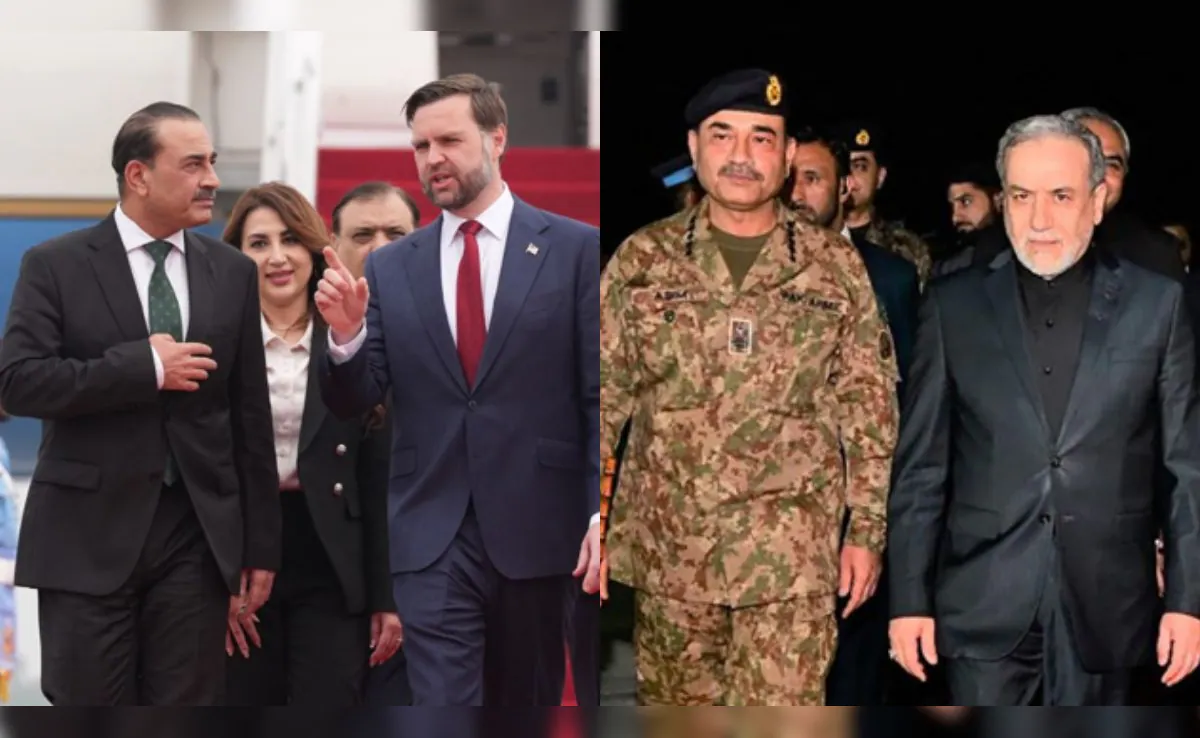
The eyes of the world are fixed on Tehran. In a high-stakes move that could literally mean the difference between war and peace, Pakistan’s powerful Army Chief (and Chief of Defence Forces), Field Marshal Asim Munir, landed in the Iranian capital on Wednesday, 15 April 2026.
Arriving alongside a high-level security delegation, including Interior Minister Mohsin Naqvi, the trip is framed as a desperate, last-ditch effort to stop the devastating U.S.-Israel war with Iran from blowing up past its fragile two-week ceasefire.
But beyond the explosive geopolitical stakes, this visit represents something equally critical for Islamabad: a hard-fought attempt at nation-wide image washing, positioning Pakistan as the ultimate global peace mediator.
📅 Timeline of the Crisis & The Road to Peace
To understand how we reached this critical moment, here is how the events unfolded:
- 28 February 2026: Hostilities officially erupt when the United States and Israel launch heavy strikes against Iran.
- 6 April 2026: Following immense international pressure and an appeal by Pakistan’s Prime Minister Shehbaz Sharif, a fragile, double-sided 14-day ceasefire is declared.
- 10 April 2026: U.S. Vice President JD Vance departs for Pakistan with “clear guidelines” from President Trump to initiate direct talks.
- 11 April 2026: The historic, direct talks between U.S. and Iranian representatives officially open in Islamabad, hosted by Pakistani leadership.
- 12 April 2026: After a grueling 21 hours of face-to-face negotiations, JD Vance departs Islamabad, announcing that the talks ended without a finalised deal due to sticking points surrounding Iran’s nuclear program.
- 14 April 2026: Tensions spike as the U.S. enforces a heavy naval blockade in the Strait of Hormuz, turning back Iranian trade ships.
- 15 April 2026: Field Marshal Asim Munir makes his emergency flight to Tehran to salvage the expiring ceasefire.
🤝 The Warm Reception in Tehran
Upon arrival on Wednesday evening, Field Marshal Munir was formally received by Iranian Foreign Minister Abbas Araghchi. The hugs and displays of diplomatic “delight” in Tehran stand in stark contrast to the aggressive naval standoff currently taking place in the Strait of Hormuz.
The military leader did not arrive empty-handed. According to regional sources citing reporting from Al Jazeera, Munir carried a fresh, direct message from Washington to convey to the Iranian leadership to iron out the next round of negotiations.
🏛️ Bridging the Gaps of the Stalled Islamabad Talks
The emergency flight on 15 April was required because the marathon weekend of direct talks hosted in Islamabad (11–12 April) unfortunately ended on Sunday without a signed deal.
Key sticking points that stalled the initial discussions include:
- The Nuclear Question: Deep disputes over the fate of Iran’s highly enriched uranium.
- The Strait of Hormuz: U.S. naval blockades versus Iran’s threat to shut down the crucial global oil choke point.
- Financial Restitution: The heavy cost of compensation for wartime damages demanded by Tehran.
With the current ceasefire rapidly nearing its expiration date, Munir’s flight to Tehran is a race against time to bridge these gaps.
🌐Image Washing: Pakistan Takes Center Stage
For years, Pakistan has struggled on the international stage with a reputation tied to internal political instability and economic turmoil. However, this conflict has completely flipped the script.
By maintaining active, trusted lines of communication with Beijing, Washington, and Tehran simultaneously, Pakistan has successfully forced itself into the center of global power dynamics. The international community is praising Islamabad’s ability to act as the primary bridge between the Islamic Republic and the West.
📱 The Trump and JD Vance X-Factor
Adding fuel to the media fire is the unpredictable nature of the White House. Following JD Vance’s high-profile, 21-hour diplomatic push in Islamabad, President Donald Trump teased on social media that the world might soon see an “amazing two days” ahead.
Rumors are now swirling in diplomatic circles that President Trump himself might visit the region or sanction a return to Islamabad for a historic final signing summit if Field Marshal Munir can successfully extract concessions from the Iranian leadership.
Whether this military-led diplomacy yields a permanent peace or just a temporary pause in the violence, one thing is certain: Pakistan has masterfully shifted its image from a regional bystander to the indispensable keeper of the peace.
see more India’s Fighter Jets in 2026: Rafale, Su-30MKI, Tejas
see about BrahMos: The “Brahmastra” of Modern Warfare and India’s Defence Superiority
see about What is Strait of Hormuz? Why It Matters to the World